
Construction and DIY Products Consulting to Build Profitable Growth
Selling a product used in construction is not the same as selling a construction project.
Your company may manufacture coatings, glass, water heaters, flooring, tapes, cables, pipes, insulation, sealants, adhesives, tools, fixtures, or other products used to build, repair, improve, and maintain homes and buildings.
But your success depends on much more than construction activity.
Your products may pass through importers, national distributors, regional wholesalers, specialized stores, home-improvement chains, marketplaces, installers, contractors, and independent professionals before reaching the person who ultimately uses or pays for them.
Each participant has different priorities.
A distributor may focus on inventory rotation and margins. A retailer may care about category productivity and shelf space. An installer may prioritize reliability and ease of use. A contractor may focus on cost, availability, and project timing. A homeowner may care about appearance, simplicity, safety, durability, or energy savings.
Midas Consulting helps you understand this complete commercial system and turn it into a practical growth strategy.
For more than 25 years, we have helped manufacturers of construction and DIY products make stronger decisions about markets, customers, channels, distributors, pricing, competitors, innovation, and expansion across Latin America and selected international markets.
We help you answer questions such as:
- Which countries, regions, product categories, applications, and customer segments should you prioritize?
- How large is the real opportunity for your product?
- Is demand driven by new construction, repair, remodeling, replacement, maintenance, or DIY?
- Which channels give you the best combination of reach, margin, control, and growth?
- Are your distributors creating demand or simply processing orders?
- How can you improve sell-out rather than relying only on distributor purchases?
- Which installers, technicians, tradespeople, and professionals influence brand choice?
- How should you position and price your products against local, imported, premium, and economy alternatives?
- Which assortment should you offer in each channel?
- How can you reduce channel conflict and uncontrolled price dispersion?
- Which competitors are gaining share, and what are they doing differently?
- Should you grow organically, appoint new distributors, enter retail, produce locally, license your products, or acquire another company?
- How could economic conditions, regulation, technology, sustainability, or competitor reactions change your plans?
You receive more than market information.
You receive a clearer understanding of how your category works, where growth is available, and what your company needs to do to capture it profitably.
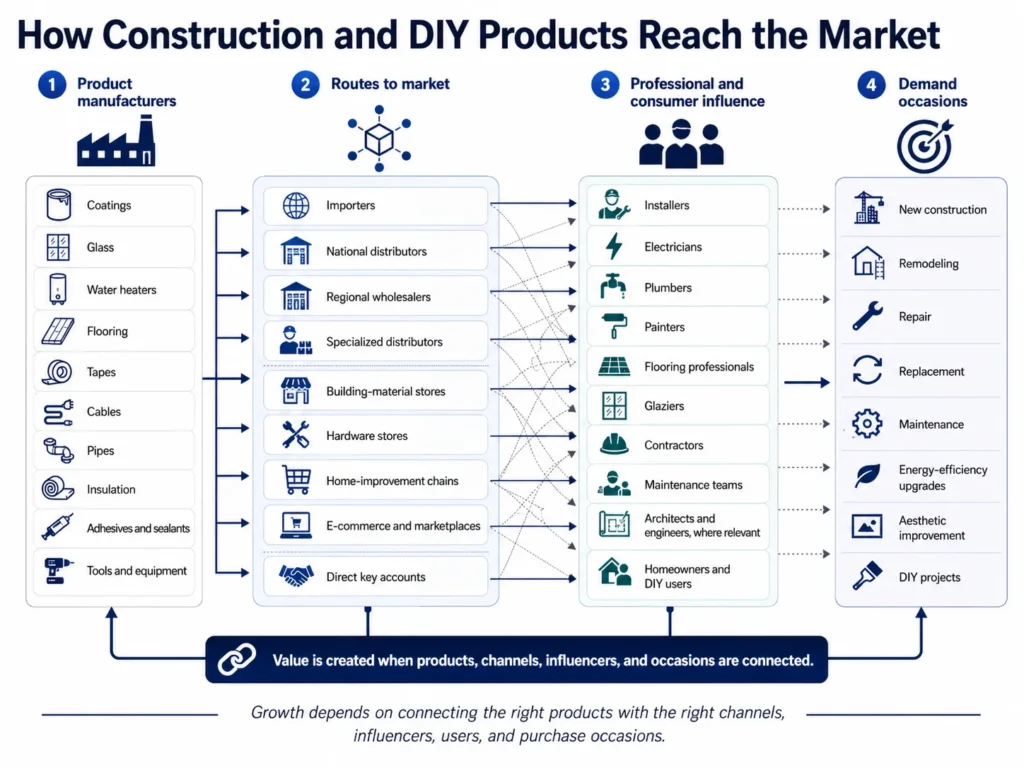
Figure 1. Growth depends on connecting the right products with the right channels, influencers, users, and purchase occasions.
Your Real Market Extends Beyond New Construction
New construction is only one source of demand.
Depending on your product, sales may also be driven by:
- Residential remodeling
- Commercial refurbishment
- Replacement of worn or obsolete products
- Preventive maintenance
- Repair after failure
- Energy-efficiency improvements
- Safety upgrades
- Aesthetic changes
- Building-code compliance
- Rental-property turnover
- Informal construction
- Self-build activity
- DIY projects
These sources of demand behave differently.
New construction
Demand may depend on permits, financing, developer activity, infrastructure investment, contractor pipelines, and the timing of large projects.
Remodeling and renovation
Demand may be influenced by homeowner confidence, property values, access to credit, changing lifestyles, energy costs, and the age of the building stock.
Repair and maintenance
Demand may be less discretionary and more resilient, but highly fragmented across local distributors, installers, maintenance companies, and small retailers.
Replacement
Demand may be driven by the installed base, product lifetime, failure rates, technology changes, and customer willingness to upgrade.
DIY
Demand may be influenced by product simplicity, packaging, instructions, availability, digital content, reviews, brand recognition, and confidence in completing the task without professional help.
Your strategy should reflect the demand engine that matters for your category.
A water-heater manufacturer may need to understand the installed base, replacement cycle, plumbers, energy prices, and installation requirements.
A coatings company may need to separate professional painters, contractors, industrial maintenance, homeowners, and decorative DIY users.
A cable manufacturer may need different approaches for distributors, electricians, contractors, industrial users, infrastructure projects, and data centers.
A flooring company may need to understand designers, flooring installers, retail chains, builders, remodeling demand, and direct consumer preferences.
We help you identify which demand occasions create the strongest combination of volume, margin, strategic fit, and commercial accessibility.
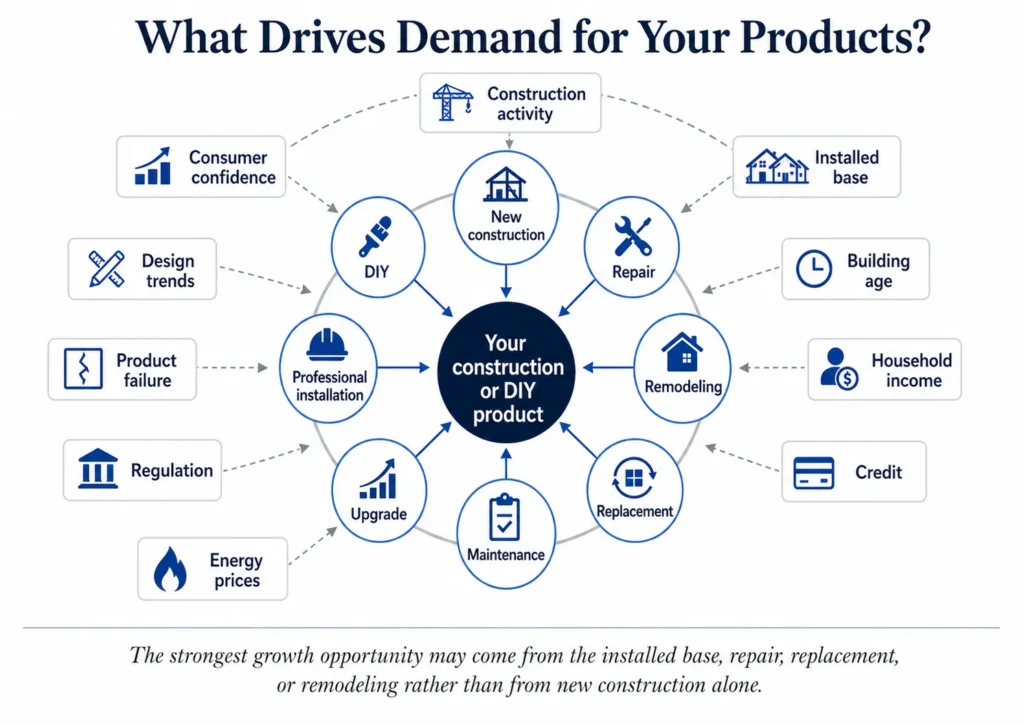
Figure 2. The strongest growth opportunity may come from the installed base, repair, replacement, or remodeling rather than from new construction alone.
Sell-In Is Not the Same as Sell-Out
A distributor order can create the appearance of growth.
But products sitting in warehouses or stores do not create sustainable demand.
Construction and DIY manufacturers need visibility across two connected but different processes.
Sell-in
The sale from your company to:
- Importers
- Distributors
- Wholesalers
- Retail chains
- Dealers
- Specialized stores
Sell-in is influenced by:
- Commercial conditions
- Discounts
- Credit
- Inventory targets
- Forecasts
- Promotions
- Distributor relationships
- Minimum orders
- Stock availability
Sell-out
The sale from the channel to:
- Installers
- Contractors
- Professional users
- Maintenance companies
- Small builders
- Homeowners
- DIY customers
Sell-out is influenced by:
- Brand demand
- Product availability
- Recommendations
- Display
- Technical performance
- Installer preference
- Price to the final customer
- Promotions
- Digital reviews
- Product knowledge
- Ease of selection and use
A company can improve sell-in temporarily through incentives while weakening the underlying market if channel inventories become excessive.
It can also create strong end-user demand but lose sales because distributors do not carry the right assortment or stores frequently run out of stock.
We help you connect sell-in, inventory, sell-out, and final demand.
This may include evaluating:
- Distributor purchases
- Inventory levels
- Stock rotation
- Store availability
- Assortment
- Regional coverage
- Reseller activity
- Installer recommendation
- Promotional effectiveness
- Lost sales
- Price dispersion
- Sell-out reporting
- Channel incentives
Channel Purchases Can Hide Weak Market Performance
Higher distributor purchases may reflect real growth, but they may also reflect inventory accumulation, promotional loading, anticipated price increases, or changes in import availability.
We help your team distinguish shipments from sustainable market demand.
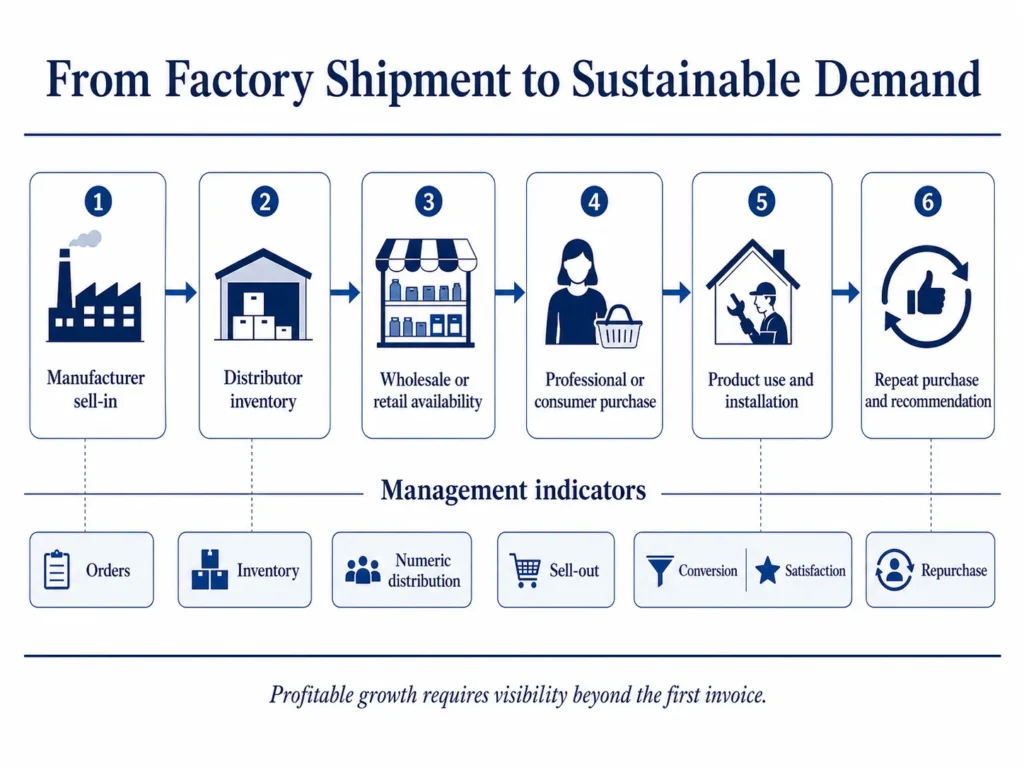
Figure 3. Profitable growth requires visibility beyond the first invoice.
The Person Who Recommends the Product May Matter More Than the Person Who Pays
Many construction and DIY categories are influenced by professional recommendation.
A homeowner may pay for the product, but a plumber recommends the water heater.
A contractor may purchase the cable, but the electrician decides which brands are acceptable.
A consumer may choose the color, but the professional painter influences the coating brand and system.
A retailer may process the sale, but a flooring installer determines whether a product is easy to work with and worth recommending again.
These professionals reduce risk for the final customer.
They may influence:
- Brand selection
- Product specification
- Required quantity
- Complementary products
- Installation method
- Purchase location
- Premium versus economy choice
- Acceptance of substitutes
- Repeat purchase
Their priorities may include:
- Reliability
- Ease of installation
- Familiarity
- Availability
- Technical support
- Reduced callbacks
- Product consistency
- Warranty
- Margin
- Speed
- Safety
- Customer satisfaction
A brand can have strong consumer awareness and still lose at the point of recommendation.
It can also have limited consumer awareness but achieve a strong position because professionals trust it.
We help you determine:
- Which professionals influence your category
- How many exist and where they operate
- Which brands they currently recommend
- Why they prefer those brands
- How they learn about new products
- Where they purchase
- Which incentives influence them
- What would make them switch
- What training, service, or proof they require
- How professional influence differs from DIY behavior
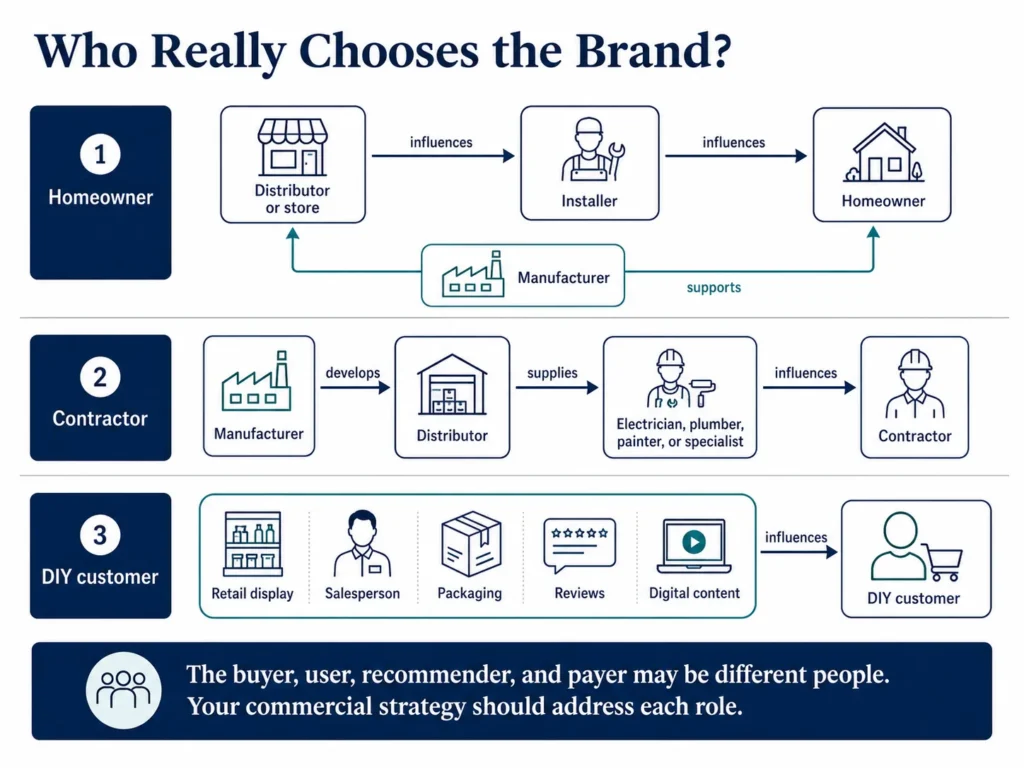
Figure 4. The buyer, user, recommender, and payer may be different people. Your commercial strategy should address each role.
Professional and DIY Construction Products Buyers Need Different Value Propositions. Value Proposition Consulting
A product may serve both professionals and consumers, but the decision criteria are rarely identical.
Professional users may prioritize:
- Reliability
- Productivity
- Installation speed
- Consistency
- Technical compatibility
- Reduced rework
- Availability
- Support
- Cost per completed job
- Customer satisfaction
- Reputation
- Reduced callbacks
DIY customers may prioritize:
- Simplicity
- Clear instructions
- Attractive packaging
- Confidence
- Safety
- Availability
- Product reviews
- Tutorials
- Smaller pack sizes
- Easy cleanup
- Visible results
- Total project cost
Distributors may prioritize:
- Rotation
- Margin
- Working capital
- Product availability
- Portfolio fit
- Credit
- Logistics
- Demand generation
- Exclusivity
- Sales support
Retailers may prioritize:
- Category productivity
- Sales per square meter
- Gross margin
- Assortment clarity
- Inventory rotation
- Promotions
- Private-label opportunities
- Online content
- Returns
- Consumer satisfaction
A single value proposition can become too general to persuade any of these groups effectively.
We help you develop differentiated propositions while maintaining a coherent brand.
A useful value proposition connects:
Product characteristic → User outcome → Economic or emotional benefit
For a professional:
Faster curing
→ More work completed each day
→ Higher productivity and fewer delays
For a homeowner:
Easy, controlled application
→ Less risk of making a mistake
→ Greater confidence in completing the project
For a distributor:
Focused assortment with strong rotation
→ Less slow-moving inventory
→ Better working-capital productivity
Define the Market Through Applications and Purchase Occasions
Broad categories can hide important differences.
“Coatings,” “flooring,” “glass,” “cables,” or “tapes” may include products with different:
- Applications
- Users
- Channels
- Price points
- Competitors
- Standards
- Purchase frequency
- Decision criteria
- Installation requirements
- Demand cycles
For example, coatings may include:
- Decorative interior
- Exterior
- Waterproofing
- Industrial maintenance
- Wood protection
- Roofing
- Floor coatings
- Protective coatings
- Professional applications
- DIY applications
Cables may serve:
- Residential construction
- Commercial buildings
- Industrial plants
- Infrastructure
- Mining
- Data centers
- Maintenance and replacement
- Retail and DIY demand
Glass may be used in:
- Residential windows
- Commercial façades
- Interior design
- Furniture
- Automotive applications
- Safety and security
- Energy-efficient systems
- Repair and replacement
We therefore define the opportunity around:
- Application
- Customer
- User
- Purchase occasion
- Channel
- Product specification
- Price segment
- Geography
This produces a more useful view of demand than an estimate of the total category.
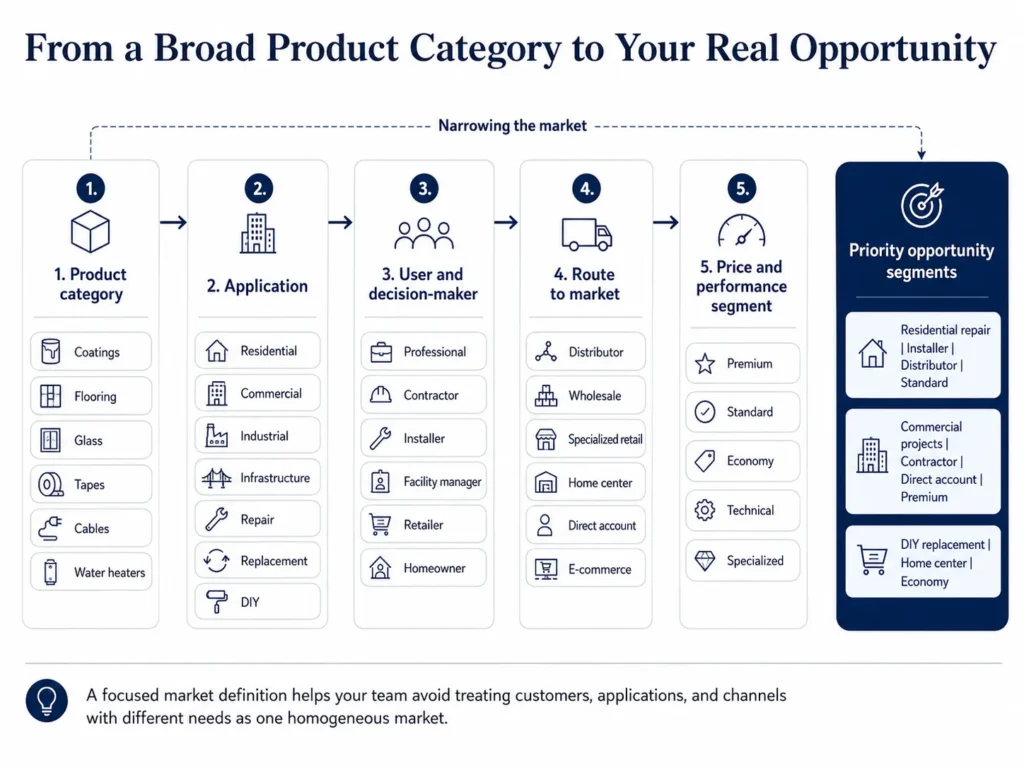
Figure 5. A focused market definition helps your team avoid treating customers, applications, and channels with different needs as one homogeneous market.
How We Estimate Construction and DIY Product Demand
A useful market estimate should explain what generates demand.
Depending on the product, we may use variables such as:
- New construction
- Renovation activity
- Installed base
- Product lifetime
- Replacement frequency
- Household formation
- Building age
- Number of professional users
- Product consumption per project
- Application rates
- Surface area
- Product penetration
- Retail sell-out
- Local production
- Imports
- Informal supply
- DIY participation
Illustrative demand models could include:
Replacement-driven products
Installed base × annual replacement rate × average product value
Coatings and surface products
Relevant surface area × application frequency × consumption per square meter
Products used in new construction
Relevant construction activity × product intensity × category penetration
Professional consumables
Number of active professionals × projects per year × product consumption per project
DIY products
Addressable households × participation rate × purchase frequency × average expenditure
We then adjust for:
- Informal construction
- Product repair rather than replacement
- Alternative technologies
- Reuse
- Price accessibility
- Distribution coverage
- Brand and product penetration
- Local purchasing behavior
- Available evidence
We explain the assumptions and normally present ranges when the market does not support a single precise number.
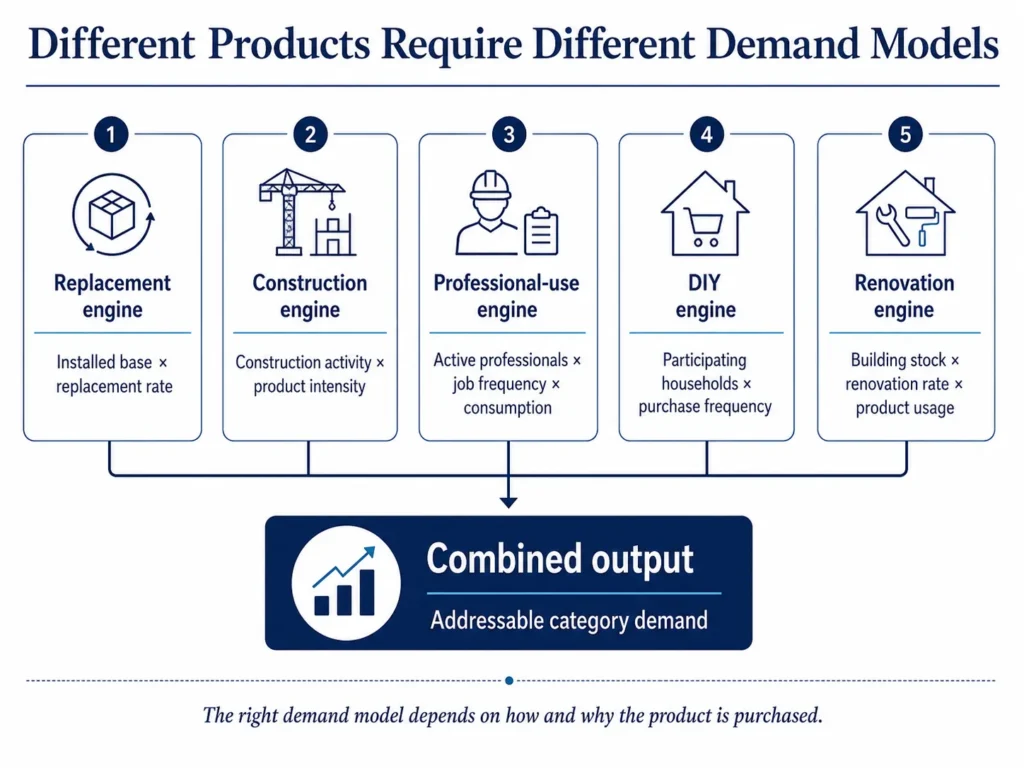
Figure 6. The right demand model depends on how and why the product is purchased.
Route-to-Market Strategy for Construction and DIY Products
The strongest route to market is not necessarily the shortest.
A direct model may provide control and customer information but require substantial sales, logistics, credit, and service capabilities.
A distributor model may provide coverage and working-capital advantages but reduce visibility and control.
Retail chains may provide scale but demand strong margins, promotions, service levels, category data, and negotiation capabilities.
E-commerce may expand reach but create price transparency, fulfillment challenges, channel conflict, and new content requirements.
Many manufacturers therefore need a hybrid model.
Possible channels include:
- Direct key accounts
- National distributors
- Regional wholesalers
- Specialized distributors
- Building-material stores
- Hardware stores
- Electrical or plumbing specialists
- Flooring or coatings specialists
- Home-improvement chains
- Cooperatives or buying groups
- Installer networks
- E-commerce
- Marketplaces
- Direct-to-consumer sales
We help you evaluate each channel according to:
- Customer access
- Geographic coverage
- Product complexity
- Required service
- Order size
- Margin
- Credit
- Inventory
- Brand control
- Data access
- Conflict risk
- Growth potential
- Ability to influence sell-out
The result is not simply a channel map.
It is a clear definition of:
- Which customers each channel should serve
- Which products it should carry
- Which services it should provide
- How margins and incentives should work
- How conflicts should be managed
- How performance should be measured
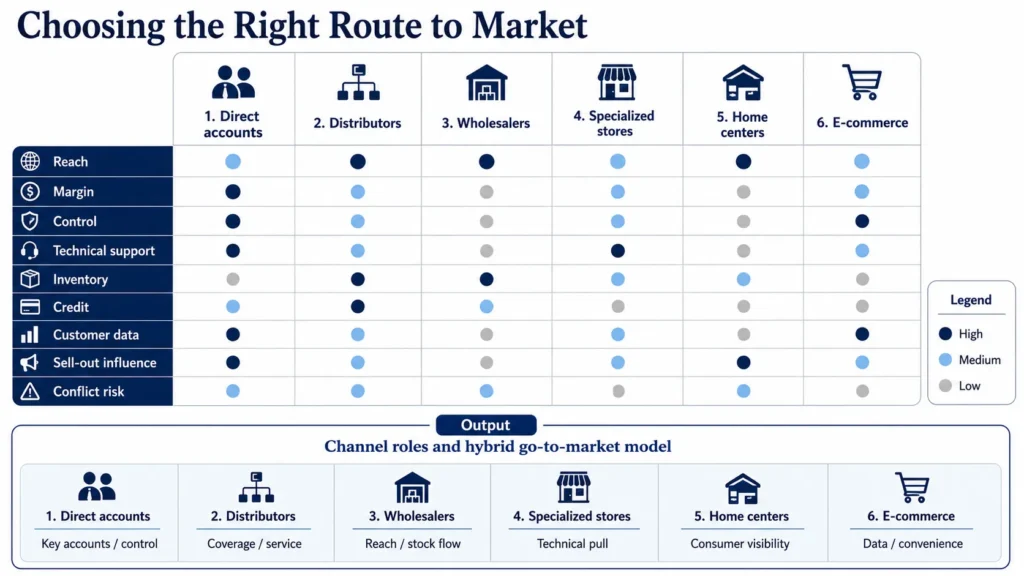
Figure 7. Each channel should have a defined customer, assortment, service role, economic logic, and performance expectation.
Finding Distributors Who Can Build Your Category with Consulting for Construction and DIY Products
A distributor can have extensive geographic coverage and still be the wrong partner.
Its warehouses, salespeople, customer list, and revenue may appear impressive. But the relevant question is whether it will actively develop your category.
We evaluate potential distributors according to factors such as:
Customer and channel access
- Relevant distributors and resellers
- Professional customers
- Retail accounts
- Home-improvement chains
- Regional coverage
- Priority applications
- Key accounts
Commercial capabilities
- Sales-force quality
- Category knowledge
- Account management
- Promotional execution
- Price discipline
- Sell-out development
- Customer data
- Digital capabilities
Operational capabilities
- Inventory
- Warehousing
- Delivery
- Credit
- Collections
- Forecasting
- Reporting
- Returns and claims
Market-development capabilities
- Installer engagement
- Training
- Demonstrations
- Technical support
- Local marketing
- Retail activation
- Lead generation
- Product launches
Strategic alignment
- Portfolio fit
- Conflicts
- Management commitment
- Investment willingness
- Brand-building approach
- Growth ambition
- Cultural alignment
Our distributor-search process can include:
- Defining the ideal partner
- Mapping potential candidates
- Screening and ranking
- Validating market reputation and capabilities
- Approaching selected candidates
- Assessing interest
- Comparing alternatives
- Supporting negotiation preparation
- Defining governance and indicators
The result is not merely a list of companies.
It is a better-supported decision about which partner can represent your brand, access priority customers, support execution, and build sustainable growth. This is also the principle behind Midas’s broader distributor-search methodology.
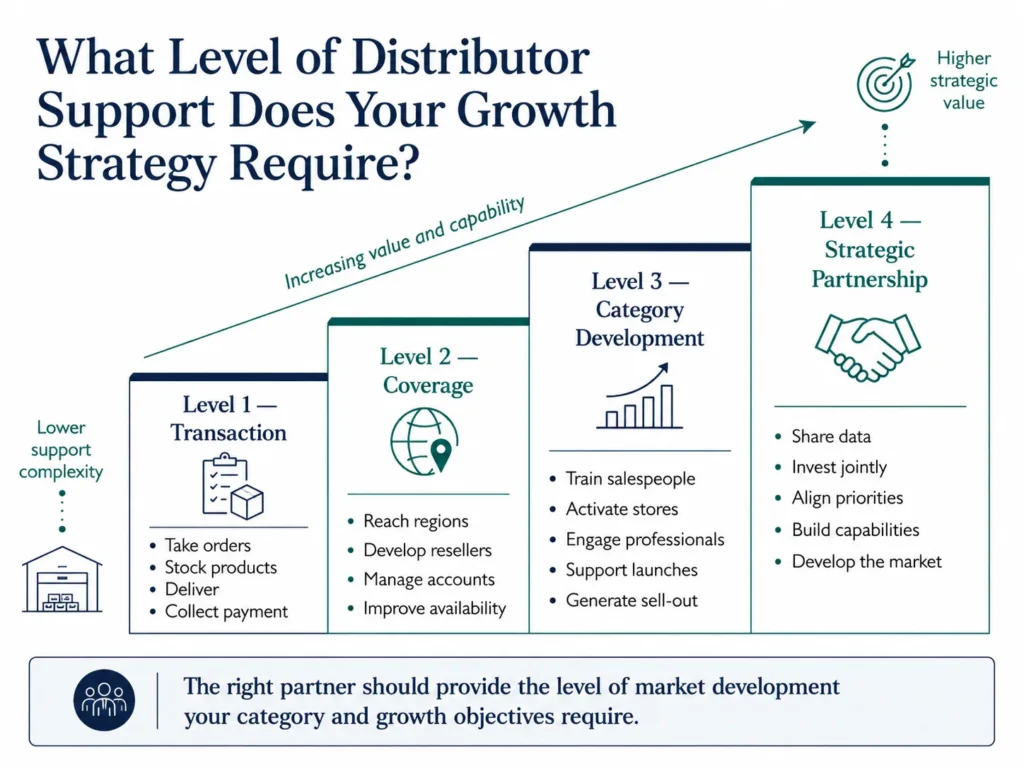
Figure 8. The right partner should provide the level of market development your category and growth objectives require.
Retail and Home-Improvement Channel Strategy
Retailers do not evaluate products only through market potential.
They may also consider:
- Sales per store
- Sales per square meter
- Gross margin
- Inventory rotation
- Category incrementality
- Assortment duplication
- Promotional funding
- Delivery performance
- Returns
- Packaging
- Consumer understanding
- Online content
- Ratings and reviews
- Private-label potential
A product may be technically strong but difficult for a consumer to choose.
Too many similar versions can create confusion. Insufficient product information can increase returns. Packaging designed for a distributor may not work on a retail shelf. Professional pack sizes may be inappropriate for DIY customers.
We help manufacturers evaluate:
- Retailer priorities
- Category structure
- Assortment architecture
- Price ladders
- Premium, mainstream, and economy roles
- Pack sizes
- Shelf communication
- Private-label exposure
- Promotional mechanics
- Online content
- Omnichannel consistency
- Retailer negotiation
- Store-level execution
- Sales productivity
Category architecture
A clear assortment should help the customer understand:
- Which product is appropriate
- What problem it solves
- Why one option costs more
- What complementary products are needed
- Whether professional installation is required
- What result to expect
This can improve conversion while reducing excessive SKU complexity.
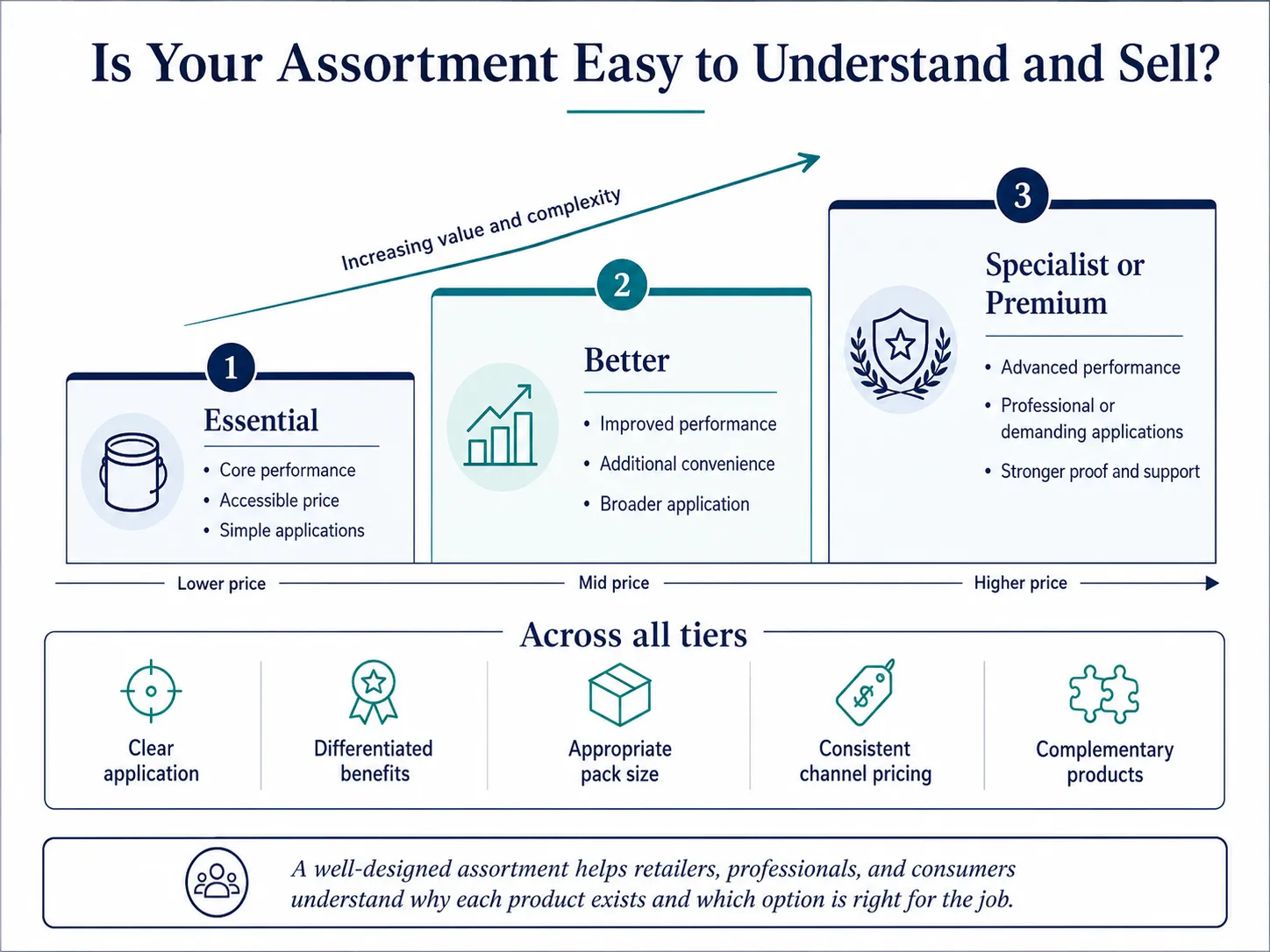
Figure 9. A well-designed assortment helps retailers, professionals, and consumers understand why each product exists and which option is right for the job.
Pricing and Margin Management Across Multiple Channels
Construction and DIY product prices can vary by:
- Country
- Region
- Distributor
- Retailer
- Customer
- Order volume
- Credit
- Freight
- Promotion
- Product pack
- Channel
- Project
- Competitive situation
Without clear governance, these differences can create:
- Channel conflict
- Distributor dissatisfaction
- Uncontrolled discounts
- Retail price inconsistency
- E-commerce undercutting
- Cross-border arbitrage
- Margin erosion
- Confusion among customers
- Difficulty sustaining a premium brand
We help you understand the complete price waterfall.
That may include:
- Manufacturer list price
- Distributor discount
- Rebates
- Promotional support
- Freight
- Credit cost
- Distributor margin
- Wholesaler margin
- Retail margin
- Installer markup
- Final customer price
This analysis can reveal where margins accumulate, where value is lost, and where incentives are misaligned.
We can help you assess:
- Price positioning
- Price corridors
- Premium versus economy strategy
- Channel margins
- Distributor rebates
- Retail promotions
- Project discounts
- E-commerce pricing
- Freight policies
- Credit conditions
- Minimum orders
- Approval processes
- Price monitoring
- Value-based pricing opportunities
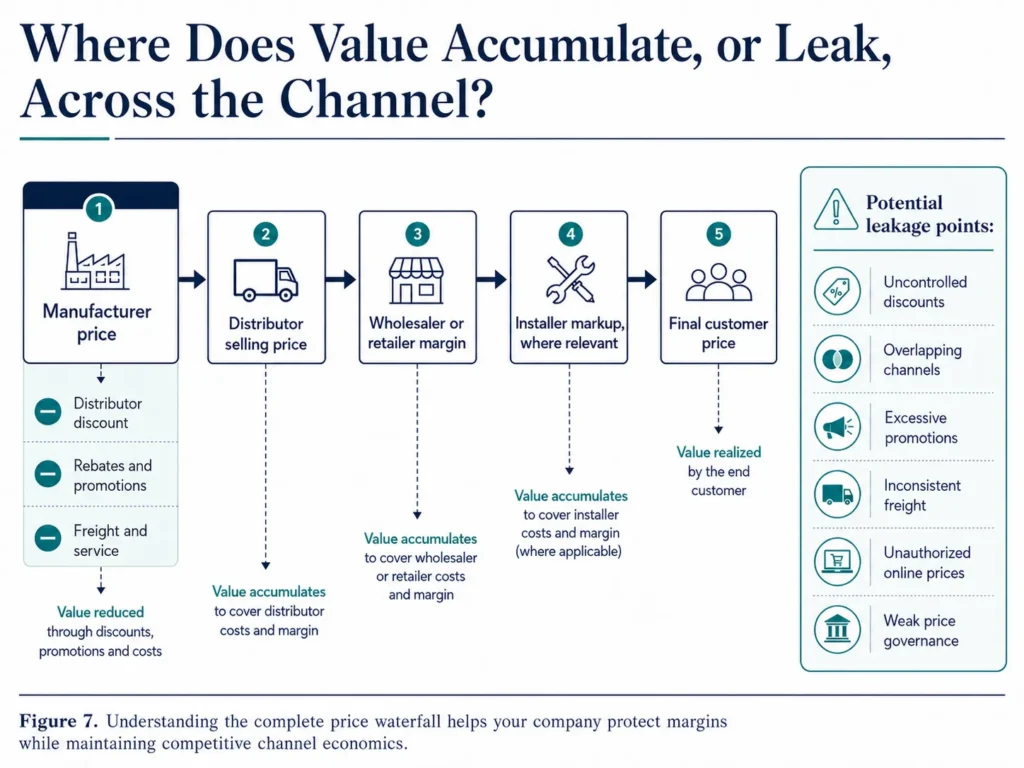
Figure 10. Understanding the complete price waterfall helps your company protect margins while maintaining competitive channel economics.
Product Availability Is Part of the Value Proposition
A professional user cannot wait indefinitely for a missing product.
A homeowner may switch brands when the required size, color, specification, or accessory is unavailable.
Availability therefore affects:
- Brand choice
- Installer recommendation
- Retailer confidence
- Customer satisfaction
- Project completion
- Repeat purchase
- Distributor loyalty
However, expanding availability without discipline can create excessive working capital and slow-moving inventory.
The challenge is to balance:
- Breadth of assortment
- Depth of stock
- Regional demand
- Service level
- Lead time
- Forecast accuracy
- Product proliferation
- Distributor inventory
- Retail stock
- Production complexity
- Obsolescence
We help you examine which products must be consistently available and which can be supplied through a more selective model.
The analysis may include:
- Core assortment
- Regional assortment
- Professional versus DIY packs
- Fast- and slow-moving products
- Channel-specific SKUs
- Service-level requirements
- Inventory ownership
- Distributor stocking policies
- Product rationalization
- Substitution rules
- Forecasting
- Stockout and lost-sales analysis
Managing Product Portfolios and SKU Complexity
Construction and DIY portfolios often expand gradually.
New colors, sizes, specifications, packs, technologies, and customer-specific products are introduced. Older products remain active. Different channels request exclusive variants. Country teams develop local assortments.
Over time, this can create:
- Too many SKUs
- Duplicate products
- Customer confusion
- Retailer complexity
- Slow-moving stock
- Production inefficiency
- Forecasting problems
- Higher working capital
- More stockouts in core products
- Sales-force confusion
- Inconsistent pricing
- Weak innovation focus
We help you evaluate products according to:
- Revenue
- Margin
- Growth
- Rotation
- Channel role
- Customer need
- Differentiation
- Strategic importance
- Inventory
- Production complexity
- Cannibalization
- Future potential
Products may then be classified as:
- Invest and accelerate
- Maintain and optimize
- Reposition
- Simplify or consolidate
- Migrate
- Harvest
- Discontinue
The goal is not necessarily to offer fewer products.
It is to ensure that every product has a clear customer, application, channel, and strategic role.
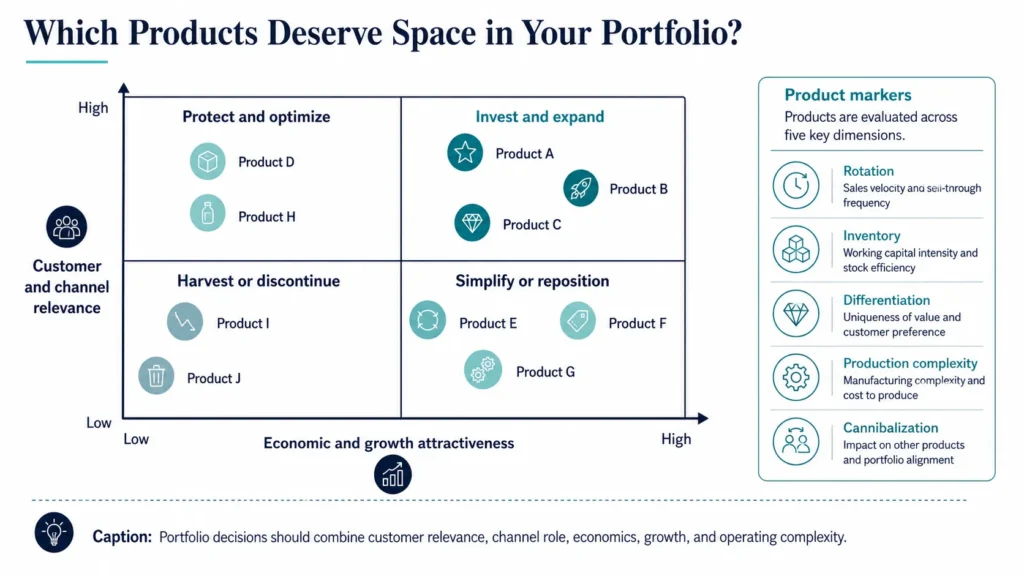
Figure 11. Portfolio decisions should combine customer relevance, channel role, economics, growth, and operating complexity.
Innovation Must Overcome the Cost of Changing Habits
Construction and DIY markets can be conservative.
Professionals may rely on products they know because mistakes can lead to:
- Rework
- Delays
- Customer complaints
- Safety issues
- Warranty claims
- Damage to their reputation
Retailers may hesitate to add unfamiliar products that require education or occupy shelf space without proven rotation.
Consumers may avoid innovations that look difficult or risky to use.
A technically superior product may therefore fail when the manufacturer underestimates the cost of changing established behavior.
We help you assess:
- The problem the innovation solves
- Whether that problem is important
- Who experiences the benefit
- Who bears the switching cost
- Which habits must change
- Whether training is required
- How easily the product can be demonstrated
- What evidence creates confidence
- Which channel is best suited to launch it
- Which professionals can influence adoption
- Which reference customers are needed
- How the value proposition should differ by audience
Potential adoption tools may include:
- Product demonstrations
- Samples
- Training
- Certification programs
- Tutorials
- Installation videos
- Professional ambassadors
- Retail displays
- Digital calculators
- Comparison tools
- Reference applications
- Performance guarantees
- Trial programs
Go-to-Market Strategy Consulting for Construction and DIY Manufacturers
A go-to-market strategy determines how your company reaches the right customers, communicates value, activates channels, and turns demand into profitable growth. Midas uses this broader definition across its GTM work.
For construction and DIY products, the strategy may need to connect:
- Priority countries and regions
- Demand occasions
- Applications
- Professional and DIY segments
- Product assortment
- Direct and indirect channels
- Distributor roles
- Retail and e-commerce strategy
- Installer influence
- Pricing
- Trade marketing
- Technical support
- Inventory
- Sales-force priorities
- Launch plans
- Performance indicators
Your final roadmap may include:
- Priority customer and user segments
- Category and application focus
- Value propositions
- Channel architecture
- Distributor model
- Retail strategy
- Professional-user development
- Assortment by channel
- Pricing and margin logic
- Promotional priorities
- Technical-support model
- Lead and opportunity management
- Organizational responsibilities
- Implementation milestones
- Sell-in and sell-out indicators
Market Entry Consulting for Construction and DIY Products
A product that succeeds in one country may require a different commercial model elsewhere.
Country differences may include:
- Construction methods
- Installed product base
- DIY participation
- Professional practices
- Building standards
- Product certification
- Retail concentration
- Distributor fragmentation
- Import duties
- Local manufacturing
- Credit
- Logistics
- Informal supply
- Purchasing power
- Brand preferences
- Pack sizes
- Climate
- Energy costs
We help you evaluate:
- Which countries and segments are most attractive
- How demand is generated
- Which products and packs are relevant
- Which competitors are established
- How the channel works
- Whether the market is professional-, retail-, project-, or DIY-driven
- Which certifications or adaptations are required
- How pricing and margins should work
- Whether to use one or several partners
- Whether local inventory or production is needed
Potential entry models include:
- Export through a national distributor
- Multiple regional distributors
- Specialized channel partners
- Direct key accounts plus distribution
- Retail-chain entry
- E-commerce
- Local commercial office
- Local assembly or production
- Licensing
- Joint venture
- Acquisition
The right entry model should balance:
- Speed
- Investment
- Control
- Margin
- Coverage
- Brand development
- Technical support
- Inventory
- Long-term potential
Benchmarking the Companies That Win in Your Category
A competitor may outperform because of price.
But it may also benefit from:
- Stronger distributor incentives
- Better product availability
- Broader reseller coverage
- Greater installer loyalty
- More productive salespeople
- Better retail execution
- Simpler assortment
- Faster product launches
- Stronger e-commerce content
- Better training
- Lower cost to serve
- More effective promotions
- Better account segmentation
- Stronger after-sales support
Benchmarking helps you understand what drives the gap.
Depending on your decision, we can compare:
Commercial model
- Customer and channel segmentation
- Direct and indirect sales
- Sales-force roles
- Key-account coverage
- Distributor management
- Installer programs
- Retail relationships
Pricing and margins
- Price architecture
- Discounts
- Rebates
- Credit
- Distributor margins
- Retail margins
- Promotional investment
- Freight
- Price governance
Channel execution
- Numeric distribution
- Availability
- Assortment
- Inventory
- Sell-out programs
- Retail activation
- E-commerce
- Reporting
Product and category management
- Portfolio breadth
- Pack sizes
- Price tiers
- Innovation
- Product rationalization
- Category roles
- Private-label exposure
Professional-user development
- Training
- Loyalty programs
- Certification
- Demonstrations
- Technical support
- Recommendation rates
- Community development
Organization and capabilities
- Headcount
- Roles
- Incentives
- Decision rights
- Regional structure
- Data and analytics
- Planning processes
We normalize relevant differences in geography, scale, product mix, and channel structure before drawing conclusions.
The objective is not to copy a competitor.
It is to determine:
- Why the performance gap exists
- Which capabilities are transferable
- Which practices fit your strategy
- Where you should differentiate
- Which investments can improve results
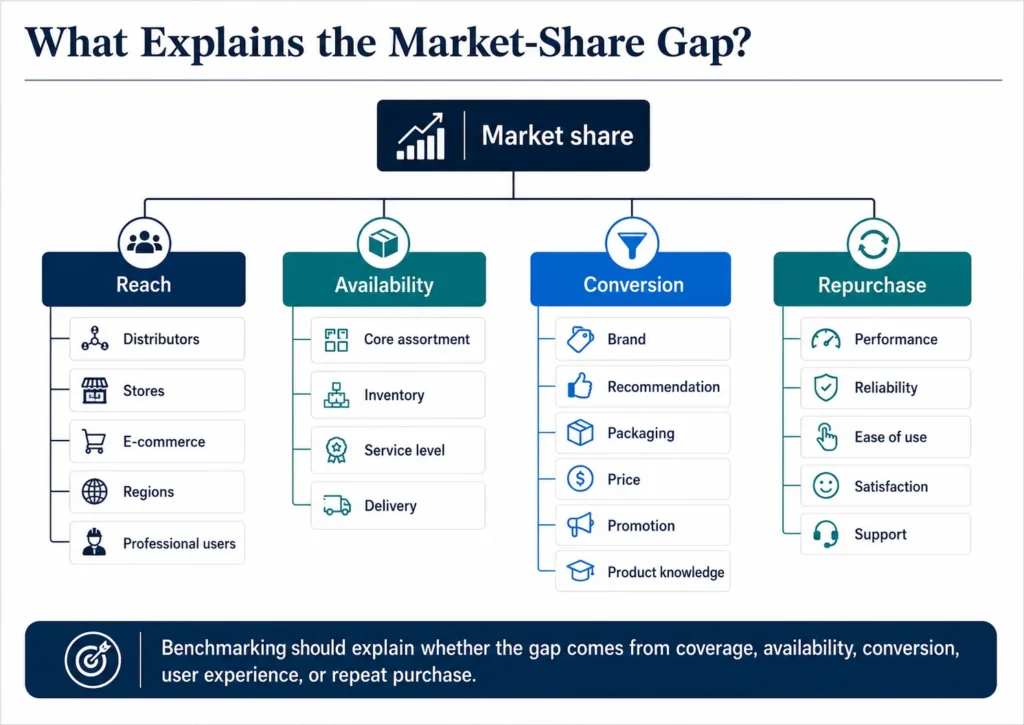
Figure 12. Benchmarking should explain whether the gap comes from coverage, availability, conversion, user experience, or repeat purchase.
Scenario Planning Consulting for Construction and DIY Markets
Your strategy may depend on uncertain developments such as:
- New construction activity
- Household income
- Consumer credit
- Mortgage availability
- Renovation spending
- Import conditions
- Exchange rates
- Raw-material prices
- Retail consolidation
- E-commerce growth
- DIY participation
- Professional labor availability
- Regulation
- Energy costs
- Competitor entry
- Private-label expansion
A single forecast may not adequately represent these interacting uncertainties.
An illustrative scenario exercise could use:
Critical uncertainty 1: Construction and household spending (Weak ↔ Strong)
Critical uncertainty 2: Channel transformation (Gradual ↔ Rapid)
This could produce four scenarios:
- Broad-Based Growth. Construction and consumer spending improve while channels evolve gradually, supporting growth through established distributors and retailers.
- Omnichannel Acceleration. Demand strengthens while e-commerce, retail consolidation, and data-driven category management reshape how products reach customers.
- Repair and Value Market. Weak new construction and constrained household spending shift demand toward maintenance, repair, smaller packs, and economy alternatives.
- Channel Disruption Under Pressure. Weak demand combines with rapid channel transformation, increasing price transparency, retailer power, and pressure on traditional distributors.
For each scenario, we help your team identify:
- Attractive and vulnerable categories
- Channel implications
- Assortment priorities
- Pricing risks
- Distributor consequences
- Professional and DIY behavior
- No-regret actions
- Strategic options
- Early-warning indicators
- Decision triggers
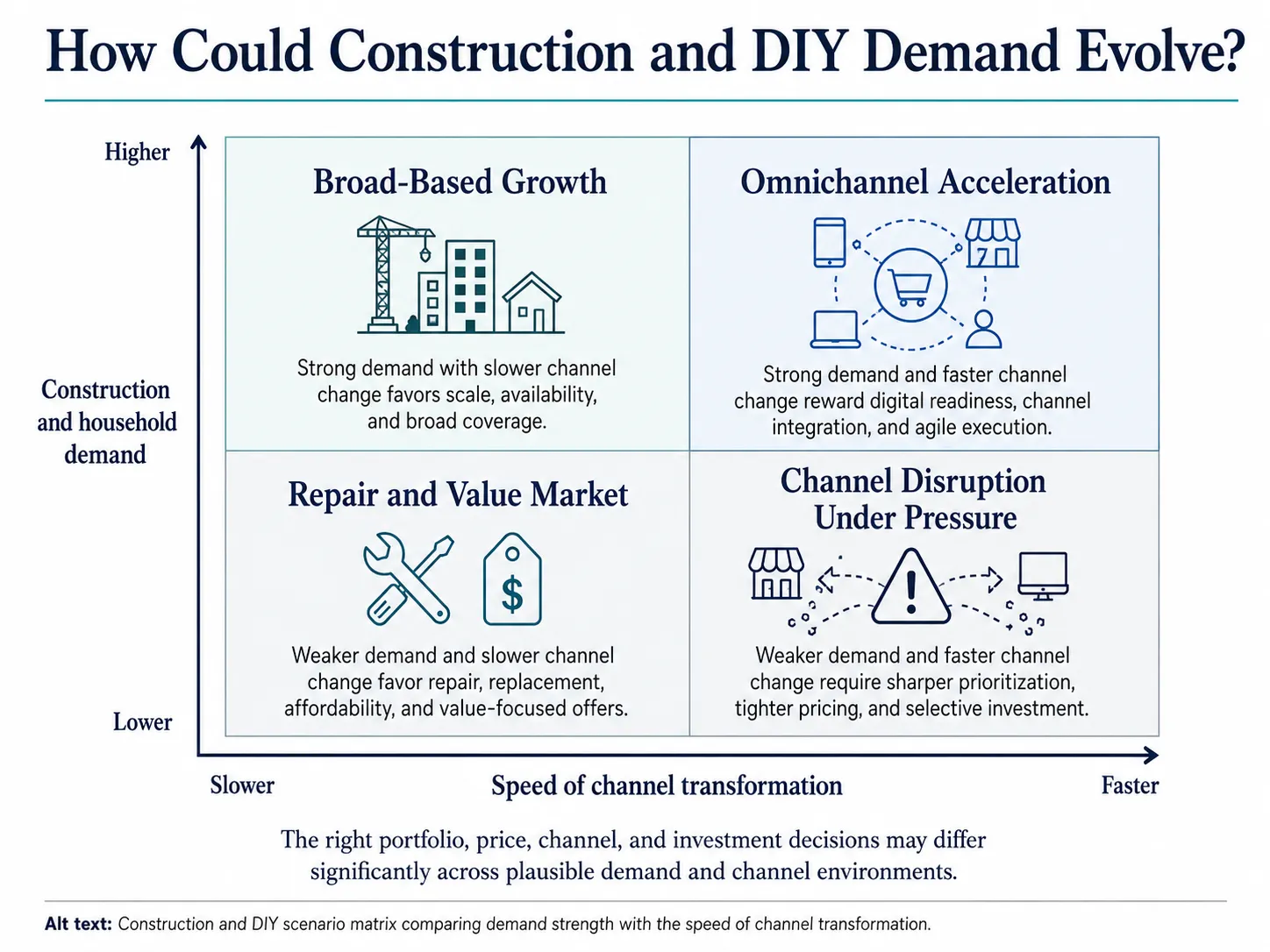
Figure 13. The right portfolio, price, channel, and investment decisions may differ significantly across plausible demand and channel environments.
Business Wargames Consulting for Construction and DIY Products Competitive and Channel Decisions
Your commercial decisions will change the behavior of other market participants.
A new product, distributor, retail agreement, price change, or market entry may cause competitors to:
- Reduce prices
- Increase distributor discounts
- Offer exclusivity
- Lock in key retailers
- Expand credit
- Accelerate launches
- Copy features
- Increase installer incentives
- Bundle products
- Add promotional support
- Strengthen e-commerce
- Introduce an economy alternative
Distributors and retailers may also react.
An existing distributor may reduce its commitment if you add another partner. Retailers may demand different conditions if your online prices are lower. Professional users may resist a product that changes their working practices.
A business wargame helps your team test those reactions before implementation.
The exercise can simulate:
- Your company
- Global competitors
- Local manufacturers
- Importers
- Distributors
- Retail chains
- E-commerce platforms
- Professional users
- Private-label suppliers
It helps reveal:
- Fragile assumptions
- Likely countermoves
- Channel conflict
- Price escalation
- Portfolio vulnerabilities
- Alternative strategies
- Defensive actions
- Early-warning indicators
M&A, Licensing, and Strategic Partnership Consulting for Construction and DIY Products
Acquisitions and partnerships can provide faster access to:
- Local manufacturing
- Distribution
- Retail relationships
- Professional-user networks
- Brands
- Product technology
- Certifications
- Customer relationships
- Market knowledge
- E-commerce capabilities
- Complementary categories
They can also create risks:
- Weak distributor relationships
- Excessive SKU complexity
- Low-margin products
- Unreliable sell-out information
- Customer concentration
- Private-label dependence
- Outdated plants
- Working-capital requirements
- Warranty exposure
- Channel conflict
- Informal commercial practices
- Overstated brand strength
We help manufacturers with:
- Acquisition strategy
- Target-profile definition
- Target identification
- Competitor and company intelligence
- Commercial due diligence
- Market validation
- Customer and channel interviews
- Brand and portfolio assessment
- Distributor and retail analysis
- Strategic-fit evaluation
- Licensing and partner screening
- Owner-interest assessment
- Negotiation preparation
- Post-deal growth priorities
Financial, legal, tax, environmental, technical, and operational due diligence should be completed by appropriately qualified specialists.
Our role is to strengthen the strategic and commercial understanding of the opportunity.
How We Build Reliable Market Intelligence
Construction and DIY markets can be difficult to measure.
Public construction statistics rarely explain:
- Sales by product application
- Retail sell-out
- Distributor inventory
- Professional-user preferences
- Informal supply
- Real transaction prices
- Promotional conditions
- Channel margins
- Product substitution
- Brand recommendation
- E-commerce sales
- Private-label activity
We may combine:
- Construction and renovation data
- Installed-base estimates
- Import and export information
- Local production
- Retail checks
- E-commerce analysis
- Product and price comparisons
- Distributor interviews
- Retailer interviews
- Professional-user research
- Contractor and maintenance perspectives
- Customer interviews
- Former industry executives
- Technical experts
- Midas’s accumulated project experience
Important conclusions are tested against multiple sources whenever feasible.
We distinguish among:
- Verified facts
- Supported estimates
- Market perceptions
- Analytical inferences
- Management assumptions
- Unresolved information gaps
When exact information is unavailable, we explain the assumptions and use ranges rather than presenting false precision.
Market Size Is More Credible When You Can Explain the Demand
We do not rely only on broad construction statistics.
We connect construction, renovation, installed base, replacement, professional use, DIY participation, distribution, and product intensity to build an estimate that your team can understand and challenge.
A Consulting Approach Built Around Your Commercial Decision for Construction and DIY Products
Our work is not organized around a fixed industry template.
The project is built around the decision your team needs to make.
Depending on your requirements, it may include five connected perspectives.
1. Define the demand engines
We determine whether category demand comes from construction, renovation, repair, replacement, maintenance, professional use, or DIY.
2. Map the route to market
We identify how products reach distributors, retailers, professionals, and final users—and where value or visibility is lost.
3. Understand the decision and influence system
We determine who purchases, recommends, uses, stocks, and promotes the product.
4. Identify the sources of advantage
We evaluate product performance, value proposition, assortment, price, availability, channel capabilities, professional loyalty, and competitive position.
5. Translate the findings into execution
We define priorities, channel roles, initiatives, ownership, milestones, and performance indicators.
Your deliverables may include:
- Market-size and demand model
- Customer and user segmentation
- Channel map
- Distributor assessment
- Retail and category analysis
- Professional-user research
- Competitor profiles
- Price waterfall
- Benchmarking database
- Assortment recommendations
- Value proposition
- Go-to-market strategy
- Market-entry recommendation
- Scenario framework
- Wargame conclusions
- Acquisition target profiles
- Implementation roadmap
- Executive workshop
- Supporting data and evidence
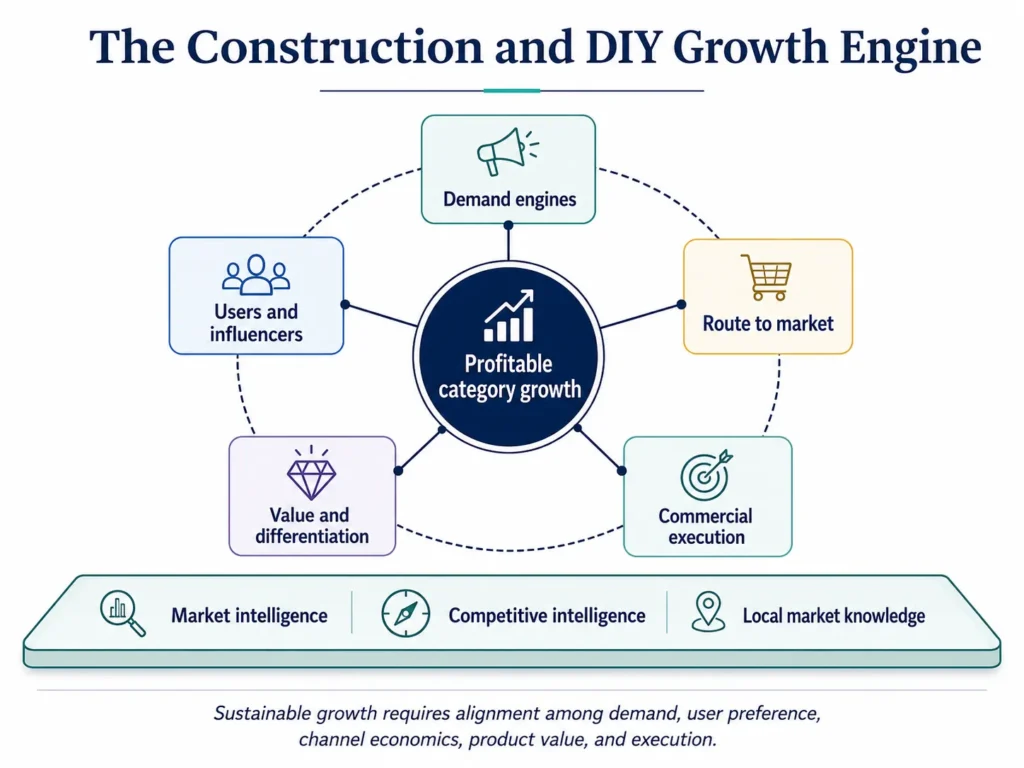
Figure 14. Sustainable growth requires alignment among demand, user preference, channel economics, product value, and execution.
Executive Workshops That Align Commercial Priorities for Construction and DIY Products Companies
Manufacturers often need to align:
- Regional leadership
- Country management
- Sales
- Distributor management
- Key accounts
- Retail teams
- Marketing
- Product management
- Technical service
- Supply chain
- Finance
- Operations
Different functions may see the market differently.
Sales may prioritize immediate distributor orders. Marketing may focus on brand and professional-user demand. Supply chain may seek a simpler portfolio. Retail teams may request more variants. Finance may focus on margins and working capital.
We design and facilitate workshops that help your team:
- Build a shared view of the market
- Separate sell-in from sustainable sell-out
- Compare segments and channels
- Clarify product and assortment roles
- Resolve pricing and channel conflicts
- Prioritize countries and growth opportunities
- Challenge assumptions
- Assign ownership
- Define metrics and milestones
- Translate strategy into action
The workshop is designed around your decisions and evidence—not around a generic agenda.
Why Construction and DIY Product Manufacturers Work with Midas Consulting
More than 25 years of experience
Since 2000, we have supported companies in construction products, building materials, consumer and professional products, and complex B2B markets.
Consulting experience across different construction and DIY product categories
Our experience includes categories such as coatings, glass, water heaters, flooring, tapes, cables, pipes, insulation, and related products.
A manufacturer-focused perspective
We understand that your challenge is not to develop a building.
It is to grow product demand, strengthen distribution, influence users, manage channels, protect margins, and convert market opportunity into sustainable sales.
Professional and DIY market understanding
We analyze both professional recommendation and consumer behavior when a category serves multiple audiences.
Latin American market knowledge
We work across Spanish- and Portuguese-speaking Latin America, as well as Spain, Portugal, and selected international markets.
We understand how channel fragmentation, informal supply, retail concentration, import conditions, credit, and local purchasing practices differ by country.
Senior involvement
Senior consultants remain involved from problem definition through research, strategic interpretation, and management discussion.
Primary market intelligence
When public information is insufficient, we develop evidence through distributors, retailers, professional users, customers, former industry executives, experts, and other informed market participants.
Collaboration with your team
We combine your internal product and market knowledge with an external perspective that can challenge assumptions and identify blind spots.
Transparency about uncertainty
We explain evidence limitations, estimates, assumptions, and risks.
You receive the strongest recommendation supported by the available information—not artificial certainty.
Selected Construction and DIY Products Consulting Experience
We have supported manufacturers of construction and DIY products across different categories, countries, channels, and strategic decisions. Each logo represents a separate client relationship; project scope, timing, and services differed.






What Construction and DIY Products Consulting Clients Say About Working with Midas
“Midas provided outstanding ideas. We walked away inspired, with practical actions to expand our market share.”
Marketing Manager
Construction Products Manufacturer
Client identity withheld due to confidentiality
“Midas goes above and beyond to meet our needs. The team is professional, detail-oriented, and deeply committed to our success.”
Executive Chair
Construction Products Manufacturer
Client identity withheld due to confidentiality
Strategic Intelligence for Construction and DIY Markets
Public construction data can show whether building activity is increasing or declining.
It usually does not explain:
- Which product categories will benefit
- Whether distributors are overstocked
- Which brands professionals recommend
- How consumers choose among alternatives
- Whether retail channels are gaining power
- Why a competitor is growing
- Which channel conflict could weaken execution
- What early signal deserves management action
Strategic intelligence connects:
- Market data
- Customer and user behavior
- Distributor economics
- Retail dynamics
- Competitor capabilities
- Prices
- Technology
- Uncertainty
- Strategic intent
Midas Consulting’s applied strategic intelligence work includes:
- Market analysis
- Competitive intelligence
- Benchmarking
- Market entry
- Go-to-market strategy
- Distributor search
- Scenario planning
- Business wargaming
- Early-warning systems
- M&A intelligence
Selected External Resources
Our recommendations are based primarily on client-specific research, Midas Consulting’s project experience, and local market intelligence.
We may also use recognized institutional sources to provide context on construction activity, housing, energy efficiency, building performance, retail, and urban development.
Potential resources include:
- World Bank: Urban development
- International Finance Corporation: Green buildings and EDGE
- ONU-Habitat
- International Energy Agency: Buildings
- Inter-American Development Bank: Urban development and housing
- United Nations Environment Program: Buildings and construction
These sources provide broader context.
They do not replace product-specific research into distributors, retailers, professional users, consumers, prices, competitors, assortments, and channel economics.
Frequently Asked Questions
What types of companies does Midas support with its construction and DIY products consulting?
We work with manufacturers of products used in construction, repair, remodeling, maintenance, and DIY.
Categories include, among others:
- Coatings
- Glass
- Water heaters
- Flooring
- Tapes
- Cables
- Pipes
- Insulation
- Adhesives
- Sealants
- Tools
- Fixtures
- Related building and home-improvement products
The methodology is adapted to your product, customer, channel, geography, and strategic decision.
Do you work with developers and construction companies?
Our primary clients on this page are product manufacturers.
We may interview developers, contractors, architects, engineers, installers, maintenance companies, or other market participants when they influence product demand or selection.
However, the purpose of the engagement is to help the manufacturer improve its market, channel, product, pricing, distributor, and growth strategy.
Can you estimate the size of our product category with your construction and DIY products consulting?
Yes, when sufficient evidence is available.
Depending on the product, we may combine:
- Construction activity
- Renovation
- Installed base
- Replacement rates
- Professional-user consumption
- DIY participation
- Product intensity
- Local production
- Imports
- Retail and distributor information
- Pricing
- Competitor estimates
We explain the assumptions and normally provide ranges when evidence does not support one exact figure.
Can you separate new construction from repair and remodeling demand in your construction and DIY products consulting?
Yes. This distinction is often essential because each demand source may involve different customers, channels, products, margins, and economic drivers.
We can estimate and compare new construction, repair, maintenance, replacement, renovation, and DIY demand when the available evidence allows it.
Can you interview installers and professional users?
Yes. Depending on the category, we may interview:
- Electricians
- Plumbers
- Painters
- Flooring installers
- Glaziers
- Contractors
- Maintenance professionals
- Retail salespeople
- Distributors
- Other relevant tradespeople
We can explore their purchasing behavior, brand recommendations, product needs, switching barriers, channel preferences, and perceptions of competitors.
Can you research DIY consumers in your construction and DIY products consulting?
Yes. We can analyze DIY participation, purchase occasions, channel choice, product understanding, brand awareness, decision criteria, packaging, online research, tutorials, reviews, and barriers to completing the task.
Can you help us find distributors?
Yes. We define the ideal partner profile, identify candidates, evaluate commercial and operational capabilities, validate market reputation, assess interest, compare alternatives, and support negotiation preparation.
We focus on whether the partner can build the category—not only whether it can purchase and deliver products.
Can you evaluate our current distributors with your construction and DIY products consulting?
Yes. We can assess:
- Coverage
- Customer access
- Sell-in and sell-out
- Inventory
- Product availability
- Assortment
- Sales-force capability
- Professional-user development
- Retail execution
- Pricing discipline
- Reporting
- Investment
- Portfolio conflicts
- Strategic alignment
The recommendation may involve improving, consolidating, complementing, renegotiating, or replacing parts of the network.
Can you help us enter home-improvement retail?
Yes. We can evaluate retailer attractiveness, category structure, assortment, price ladder, margins, packaging, promotional requirements, service levels, online content, negotiation priorities, and internal capabilities. On best-efforts basis we can get you meetings with category managers.
Can you help us develop an e-commerce strategy with your construction and DIY products consulting?
Yes. The work may include:
- Marketplace assessment
- Direct e-commerce
- Retailer websites
- Online assortment
- Pricing
- Channel conflict
- Product content
- Reviews
- Search visibility
- Fulfillment
- Pack sizes
- Consumer support
Can you benchmark competitor prices?
Yes, subject to accessibility and comparability.
Prices may vary by country, region, product specification, pack, distributor, retailer, order volume, credit, freight, promotion, and customer.
We normalize relevant differences before drawing conclusions.
Some research is necessarily conducted on a best-efforts basis because negotiated commercial information may be confidential.
Can you benchmark distributor and retail margins with your construction and DIY products consulting?
We can estimate channel economics when sufficient evidence is available.
This may include discounts, rebates, freight, credit, promotions, distributor margins, wholesale margins, retail margins, and installer markups.
We explain assumptions and confidence levels.
Can you help us optimize our product assortment?
Yes. We can evaluate:
- Revenue
- Margin
- Rotation
- Customer relevance
- Channel role
- Inventory
- Cannibalization
- Differentiation
- Pack sizes
- Price points
- Production complexity
- Growth potential
The result may include recommendations to invest, maintain, reposition, consolidate, migrate, harvest, or discontinue products.
Can you help us strengthen our value proposition with your construction and DIY products consulting?
Yes. We identify what matters to distributors, retailers, professional users, and DIY customers.
The final proposition connects product characteristics with relevant functional, economic, and emotional benefits for each audience.
Can you support a market-entry decision?
Yes. We can help compare countries, estimate demand, identify priority segments, understand channels, assess competitors, evaluate distributors, define the entry model, develop pricing, and create a go-to-market roadmap.
Can you support an acquisition with your construction and DIY products consulting?
Yes. We can help define the acquisition strategy, identify targets, assess market position, validate channels and customers, conduct commercial due diligence, evaluate strategic fit, and support negotiation preparation.
Financial, legal, tax, operational, technical, and environmental due diligence should be completed by qualified specialists.
How long does construction and DIY products consulting project take?
Timing depends on the countries, products, segments, channels, interviews, and strategic questions included.
A focused market, distributor, or category assessment may require several weeks.
A multicountry go-to-market strategy, detailed benchmarking program, distributor search, or acquisition-related project may require several months.
The proposal defines the phases, milestones, deliverables, and expected timing.
What information will you need from us?
Useful inputs may include:
- Product portfolio
- Current sales
- Prices and margins
- Customers
- Distributor network
- Retail accounts
- Sell-in and sell-out information
- Inventory
- Product applications
- Previous studies
- Competitor hypotheses
- Strategic priorities
- Decision timetable
We begin with the information available and identify the gaps that materially affect the decision.
How do you protect confidential information?
We treat client information as confidential and can work under a nondisclosure agreement.
Access is limited to relevant project participants. Public case examples, client identities, product details, and testimonials may be anonymized when disclosure has not been authorized.
Do you guarantee specific commercial results from your construction and DIY products consulting?
No responsible consulting firm should guarantee a particular sales, margin, market-share, retail-listing, distributor, or investment outcome.
Results depend on product performance, pricing, execution, channel commitment, availability, professional recommendation, consumer behavior, competition, and economic conditions.
Our role is to improve the evidence, strategic choices, preparation, and execution behind your decision.
The Cost of Misreading Your Market
Your company may:
- Overestimate demand by relying only on new construction data
- Ignore repair, replacement, remodeling, or DIY opportunities
- Increase distributor inventory without generating sell-out
- Choose partners with coverage but limited category commitment
- Enter retail with the wrong assortment or packaging
- Lose professional recommendations
- Compete on unit price when the product creates stronger user economics
- Create channel conflict through inconsistent pricing
- Carry too many slow-moving products
- Underinvest in availability
- Launch an innovation without overcoming user habits
- Treat professional and DIY customers as one segment
- Acquire a company with weak underlying channel performance
Better intelligence cannot remove market uncertainty.
It can help your team identify where demand comes from, which channels and users matter, and which commercial actions deserve investment.
Let’s Clarify Your Next Growth Decision with Our Construction and DIY Products Consulting
You may be evaluating a country, product category, distributor, retail channel, assortment, price strategy, professional-user program, market entry, or acquisition.
We begin with your decision, not with a predetermined consulting package.
Tell us what is at stake
Share the market, category, channel, product, or investment choice your company is considering.
Define the evidence
Together, we determine which demand, customer, user, distributor, retailer, competitor, pricing, and market questions must be answered.
Develop the strategy
We compare the alternatives, make relevant assumptions visible, and recommend the strongest path supported by the evidence.
Prepare for execution
You receive clear priorities, actions, responsibilities, milestones, indicators, and decision triggers.
About Midas and Construction and DIY Products Consulting
Midas Consulting is a strategy and market intelligence consulting firm that helps companies grow, compete, enter markets, select partners, evaluate investments, and make stronger decisions across Latin America and selected international markets.
For more than 25 years, we have supported companies through market entry, go-to-market strategy, distributor search, benchmarking, strategy consulting, scenario planning, business wargaming, and M&A-related decisions.
Our work combines local market research, competitive intelligence, executive experience, and collaborative strategy development.